MoMA’s Wetland: What Digital Artists Can Learn from Looking Closely
Before the game engine comes the fieldwork. MoMA’s upcoming Wetland exhibition offers a useful way to think about digital art, place and the collaborators behind immersive worlds.
Oct 10, 2026 · 2 min read
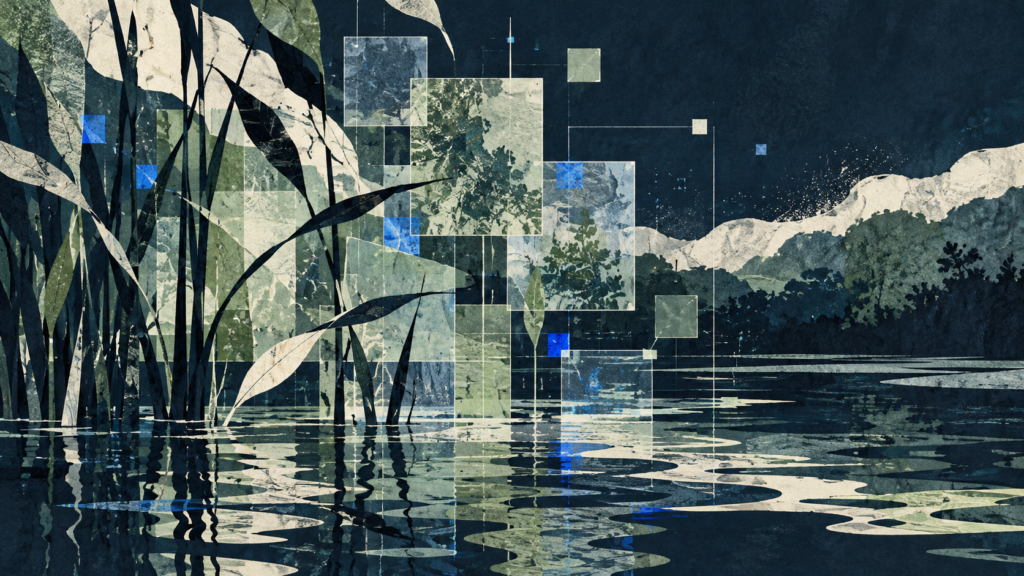
MoMA’s upcoming Wetland exhibition offers digital artists a useful starting point: begin with a place worth understanding, then decide what technology can reveal about it. The exhibition presents Jakob Kudsk Steensen’s Berl-Berl, a digital landscape rooted in wetland research rather than a generic idea of “nature.”
MoMA lists the exhibition for October 12, 2026–March 7, 2027, in its Agnes Gund Garden Lobby. This is a preview based on published materials, not a review of a visit.
A digital world with a physical starting point
The project predates this presentation. LAS Art Foundation commissioned its 2021 Berlin exhibition, documenting months of research in Berlin-Brandenburg’s remaining wetlands. Its account describes macro photogrammetry: photographing a small subject repeatedly to build a three-dimensional representation, then working with Unreal Engine.
That process gives creators something concrete to consider. A digital landscape can begin with the texture of a leaf or a patch of mud. Close observation supplies decisions that a mood board alone cannot: what should be enlarged, what should remain uneven, and which details make a place recognizable?
In our reading, the interesting creative move is the change in scale. Something easy to overlook becomes material for a world large enough to command attention.
Sound carries part of the research
MoMA describes collaborations involving the Museum für Naturkunde Berlin and musician Arca, alongside field recordings and research into Sorbian and Slavic mythology. Its credits identify Matt McCorkle as sound composer and Arca for vocalization.
This matters because an immersive project should not be explained only through its visual software. Sound, research and technical development are creative contributions with their own authorship. A useful project description names those roles instead of allowing one headline artist—or one tool—to absorb the whole process.
For a photographer moving into motion, or a producer collaborating with a visual artist, that is a practical lesson: agree on credits while planning the work. Credit should describe the contribution, not merely list names at the end.
What creators can borrow without copying
Try a smaller exercise before attempting an entire simulated ecosystem. Choose a location you can revisit. Record three kinds of material: images, sound and notes about what changes over time. Keep a log of dates, permissions and collaborators.
Then ask one specific creative question. Could a close-up texture become a moving image? Could recurring sounds determine the pacing of a short film? What would a viewer understand better through translation than through a straightforward photograph?
These are suggestions from Le Cadre, not claims about Steensen’s own workflow.
The limits are part of the story
A simulation is an interpretation. It cannot replace ecological knowledge, access to a living habitat or conservation work. Nor do the published exhibition materials establish that this presentation produces a measurable environmental benefit.
Our view is that the strongest lesson here is patience: digital tools become more interesting when the artist has something particular to bring into them. The research can shape the form instead of becoming a paragraph added after the visuals are finished.
For another approach to sound and shared experience, read Le Cadre’s Tarek Atoui story.
What place keeps returning in your own work—and what have you learned by returning to it? Join the conversation in Le Cadre’s Visual Art community.