Bandcamp Download Codes Work Better When You Plan the Handoff
A code is only useful when someone knows what it unlocks and where to use it. Here’s a practical way to prepare release cards and keep distribution organised.
Oct 26, 2026 · 2 min read
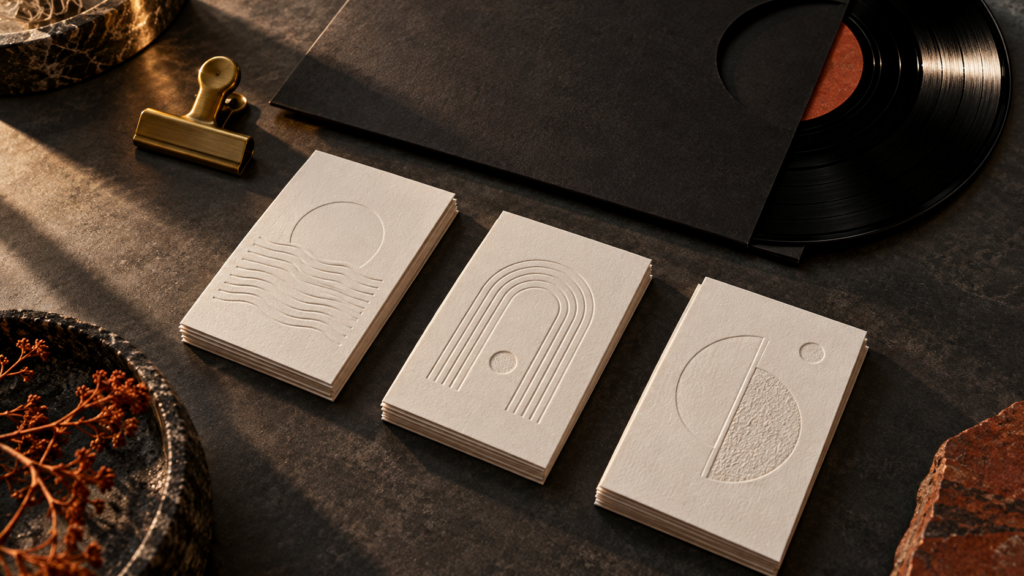
Before you print a stack of Bandcamp download cards, test the whole handoff: the release name, the unique code, the redemption address and the instructions. A card that looks good but leaves the listener guessing has stopped halfway through its job.
Bandcamp calls these track/album codes. Its help guide explains that they unlock a digital release, with a download and app listening. The practical question is how to put the right code in the right person’s hands without losing track of what you shared.
Give each batch a purpose
Choose a descriptive batch name before distribution. Our recommendation is to include the release, the setting and the date: for example, “Example EP — listening night — November.” That fictional label tells you more later than “new codes.”
Decide what success means for this particular handoff. Are you giving a listener a keepsake after a show, sharing a release with a collaborator, or including access with a physical item? Those situations need different wording. A code doesn’t have to carry every marketing goal at once.
Make the instructions part of the design
Put the artist and release name where someone can recognise them quickly. Include the exact redemption address supplied by your own Bandcamp account, the code and a short instruction telling the recipient what to do. Don’t assume the person has redeemed one before.
If you add a QR code, test where it goes and keep a readable address as an alternative. A QR code is a route to a page, not a substitute for explaining what the recipient gets. Check a proof at the size you’ll actually print, under ordinary room lighting.
Test one copy before the whole run
Use a designated test code and mark it as used in your private record. Ask someone who hasn’t seen the layout to follow the instructions. Watch for small practical problems: confusing characters, a link that wraps badly, or a release name that is less prominent than the decorative artwork.
Keep the working export separate from a public promotional image. You can show the card design online without exposing an unused code. Our handoff checklist offers a related habit: confirm that the thing you’re delivering can actually be used.
Track distribution without promising a mailing list
Record which batch went where, when it was shared and which entries you’ve already allocated. Bandcamp’s tutorial describes redemption tracking and says newsletter signup on the redemption page is optional. A redeemed code therefore shouldn’t be treated as automatic permission for unrelated email.
If you later send a personalised code email, check your sending tool’s actual process first. Bandcamp publishes separate instructions for Mailchimp; that doesn’t prove the same workflow exists in every newsletter service.
Pair the card with a clear artist introduction—our EPK guide can help you keep the broader information easy to find. What has made a release card worth keeping for you? Share the detail in the Le Cadre community.
Featured image: AI-generated editorial illustration for Le Cadre.