Spotify’s Shapers Program Recognizes the People Behind Music Discovery
Spotify’s first Shapers selection in Colombia recognizes the people who help songs travel through criticism, conversation and community—not only through playlists.
Oct 11, 2026 · 3 min read
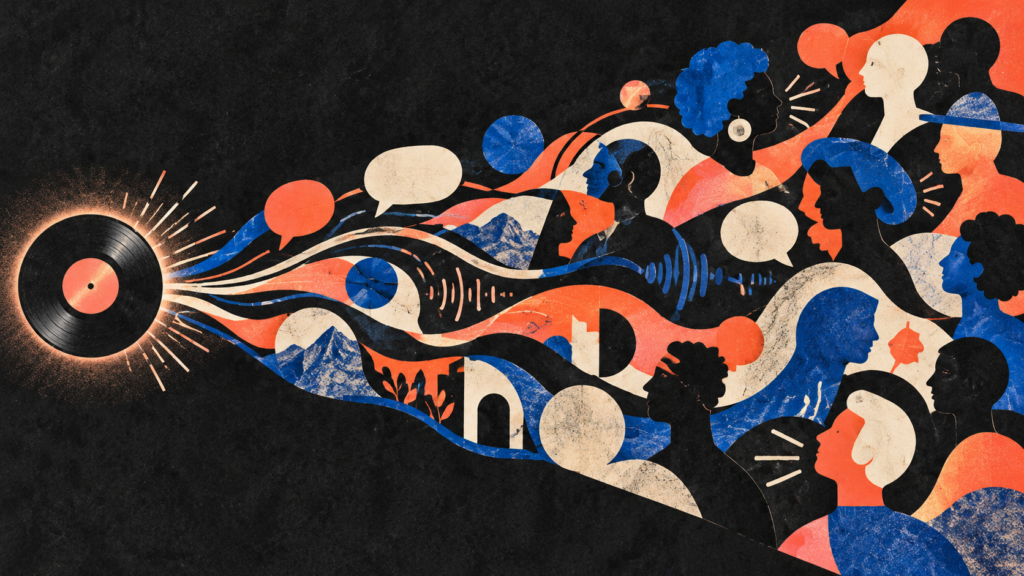
Music discovery is often described as an algorithmic contest, but a song can reach a listener through a critic, DJ, podcaster, interviewer or trusted friend before any recommendation system becomes involved. Spotify’s new Shapers program in Colombia puts those human connectors at the center of the story.
Spotify announced Shapers on October 8, 2026, describing it as a program that highlights people who lead and amplify music conversations. A companion explanation says the first selection covers creators working across research, interviews, reviews, videos, recommendations, podcasts and other formats.
This is Spotify’s account of its own initiative. Le Cadre’s analysis is what the program suggests about cultural work around music.
Recognition moves beyond the performer
The notable choice is not a new content format. It is the decision to recognize contribution across formats.
Spotify says it evaluated profiles through five criteria: impact on the ecosystem, depth and context, community relevance, authenticity and editorial voice, and the ability to connect culture with audiences. It also stresses that Shapers is not a ranking, a definitive “best” list or an endorsement of everything a selected creator publishes.
That limitation matters. A platform recognition program can direct attention, but it cannot fully map a country’s music culture. Local scenes also live in independent radio, community events, record shops and private conversations that may never become legible to a global service.
Context is creative labor
Recommending a song is easy. Helping someone understand why it matters takes more work.
A useful critic connects a new release to a scene without flattening either. A thoughtful interviewer creates room for an artist to explain choices. A DJ can place two records together and make listeners hear both differently. Those acts are not the same as making the recording, but they shape how culture travels.
Our view is that this work deserves clearer credit and stronger standards. “Discovery” should not become a polite word for reposting. The Shapers criteria point toward a better question: what does the audience understand after encountering your contribution?
What independent artists can learn
An artist cannot control every path to discovery, but they can make their work easier to discuss.
Start with a short, specific story about the release: the decision that changed the record, the community it grew from or the musical connection listeners might miss. Provide accurate credits and a clean listening link. Identify a small group of writers, hosts or selectors whose actual work fits the music instead of sending the same pitch everywhere.
Then participate in discovery beyond your own catalog. Share a thoughtful recommendation. Name the producer, songwriter or scene. Add context rather than using another artist only as a route back to yourself.
That does not guarantee coverage or streams. It does build a public point of view—the same quality Spotify names as editorial voice.
Platforms still hold power
Shapers celebrates human judgment inside a platform’s ecosystem, so it should also invite scrutiny. Who is visible to the selection process? Which languages, regions and independent spaces remain outside it? Will recognition create material opportunities, or mainly produce content for Spotify?
The announcement does not answer every question. Its immediate value is naming a group that industry conversations often leave out: the people who help audiences listen with more context.
For another question about platform labels and artist identity, read Le Cadre’s Spotify AI Persona story.
Who helps you discover music in a way that changes how you listen? Join Le Cadre’s Culture conversation.