William Gottlieb’s Jazz Photographs Offer a Better Way to Build a Reference Board
The Library of Congress’s Gottlieb collection is a route into jazz history and a useful lesson in keeping context attached to visual inspiration.
Oct 25, 2026 · 2 min read
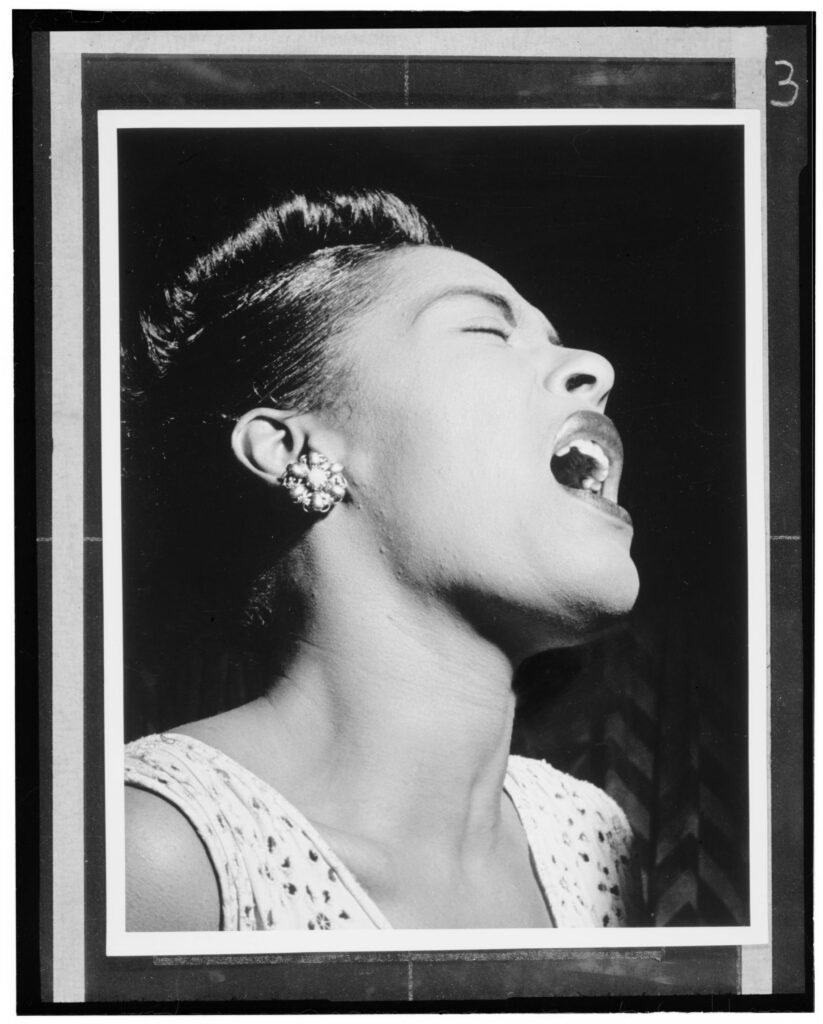
If you’re building a reference board for music photography, start with the photograph’s caption as well as its atmosphere. William P. Gottlieb’s jazz pictures offer a particularly useful place to practice. The names, venues, and approximate dates give the visual choices something to stand on.
The Library of Congress’s curated Gottlieb set draws on photographs made between 1938 and 1948. It brings performers including Billie Holiday, Thelonious Monk, and Mary Lou Williams into one accessible route through the archive. This is a researched browsing guide, not a report from a new exhibition.
Start with a person, not a generic jazz mood
Open the Library’s Billie Holiday portrait record. The catalog identifies the venue as the Downbeat in New York and dates the photograph to approximately February 1947. Those details are part of the image’s meaning. Keep the “approximately” when you save your notes; a catalog estimate shouldn’t become an exact date in your caption.
Then move to the Monk portrait record at Minton’s Playhouse, dated approximately September 1947. Compare what each record tells you about the occasion before treating the pictures as interchangeable examples of a period look.
For a third direction, follow Mary Lou Williams from the Library’s curated set. Choosing named subjects is a small discipline, but it interrupts the habit of turning a whole musical culture into lighting, clothing, and a color grade.
Write down what you want to learn
Try making three columns in your reference notes: what the catalog establishes, what you observe, and what you want to test. The first might contain a venue and date. The second should name something you can actually see. The third might propose a different camera distance or a simpler background for your own shoot.
Keep interpretation in its own column. A photograph can suggest concentration or intimacy to a viewer, but that doesn’t tell you what its subject was thinking. Avoid turning your response into a claim about someone else’s private experience.
Carry the credit with the image
The Library’s official Holiday record on Flickr states that Gottlieb dedicated these works to the public domain, while noting that privacy and publicity rights may still apply. That distinction matters. A copyright status is not a blanket endorsement permission.
Save the photographer’s name, title, source link, and rights note alongside any downloaded image. If the eventual use changes from editorial reference to a commercial campaign, check that use separately. Our photography usage guide offers questions to bring into that discussion.
Let the archive sharpen your attention
A strong reference board should help you explain a decision, not just collect a feeling. Keep one full frame beside any detail you study, and record why you selected it. That gives collaborators a starting point they can discuss.
The payoff is more specific visual language and more care for the people whose images inspire the work. Which photograph has changed how you think about photographing musicians? Share the source and what you learned in the Le Cadre community.
Featured photograph: Billie Holiday, Downbeat, New York, circa February 1947. William P. Gottlieb Collection, Library of Congress. Public domain; privacy and publicity rights may apply.